
Choosing the right elevator traction machine is essential for safe, smooth, and efficient elevator performance. Understanding the elevator traction machine price in Bangladesh, along with key factors like load capacity, speed, and motor type, helps you make a smart and cost-effective decision. Whether you plan to buy an elevator traction machine online in Bangladesh or source it locally, always choose original products from trusted suppliers to ensure long-term reliability, energy efficiency, and lower maintenance costs. Investing in the right elevator traction motor today ensures better performance, safety, and value for years to come.

-
 12-15 Days Quick Delivery
 -
 Cash on Delivery Facility
 -
 Online Payment Options
-
 No Cost 12 Months EMI
-
 Sales & Parts Warranty
-
 100% Genuine Products
-
 24/7 Customer Support

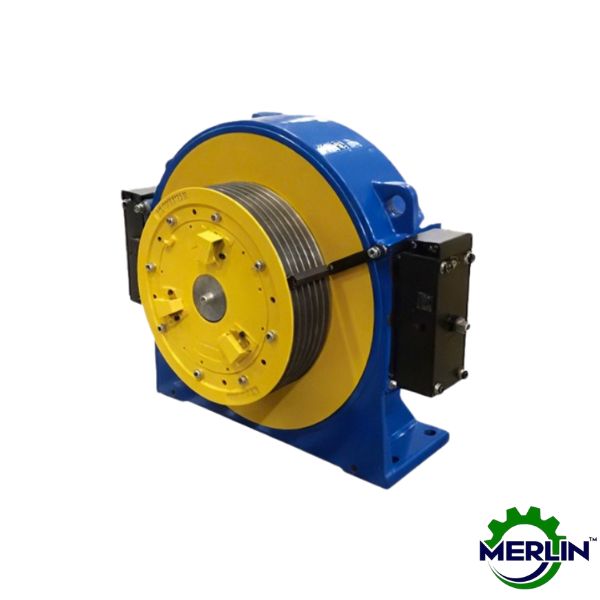
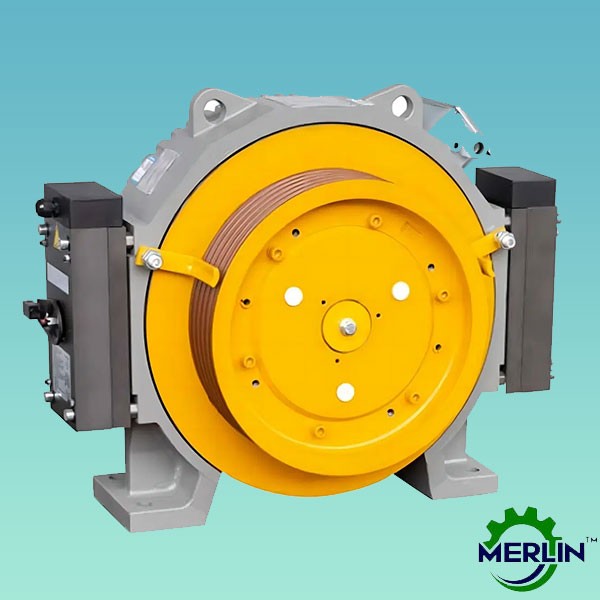
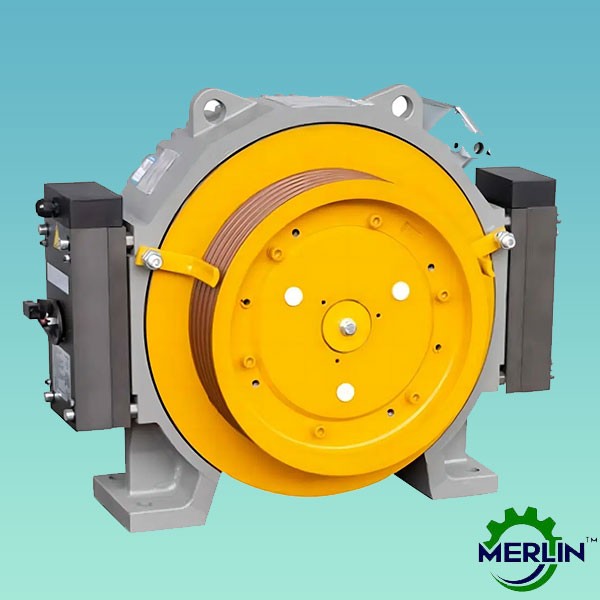
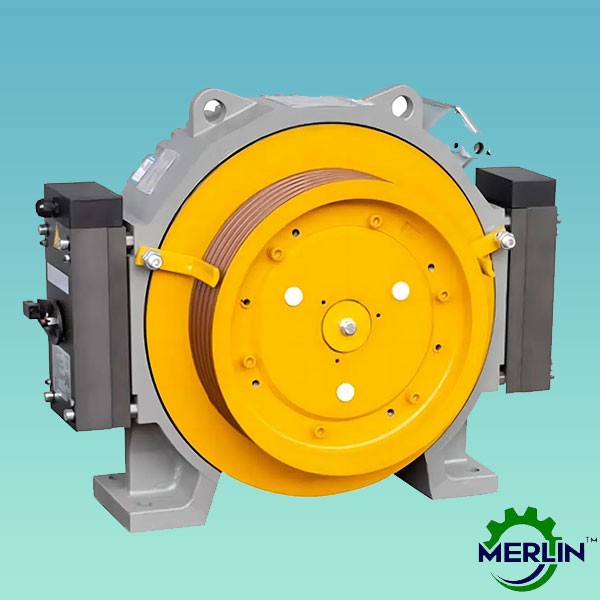
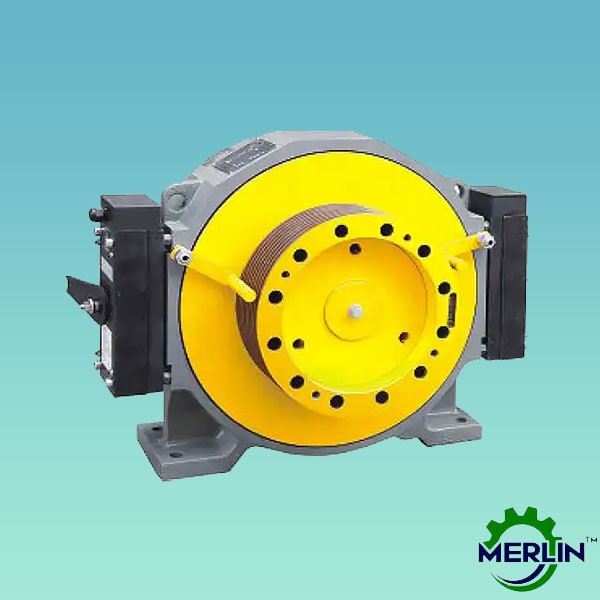
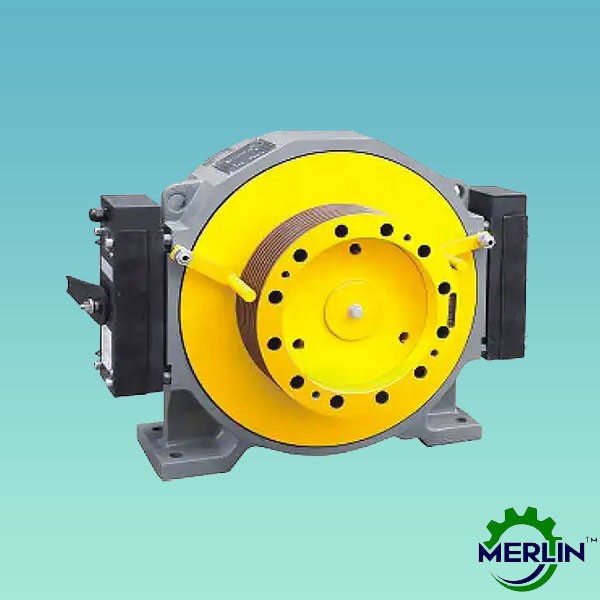
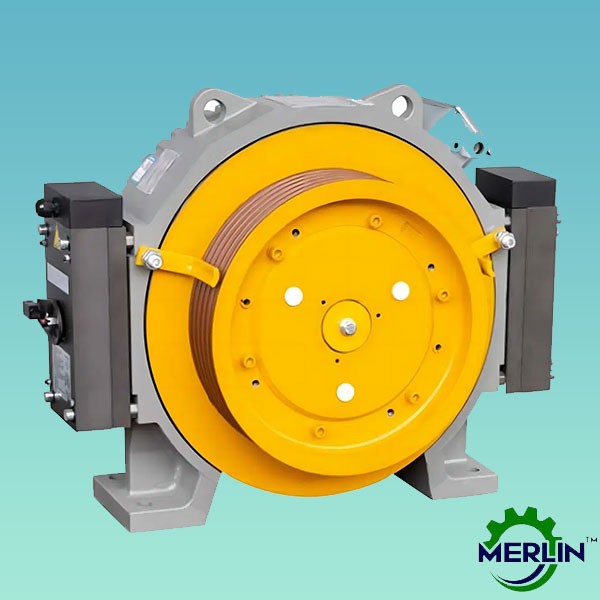
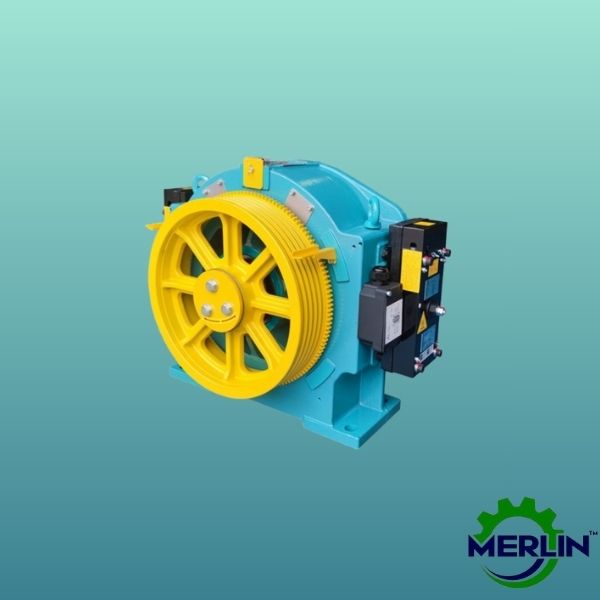
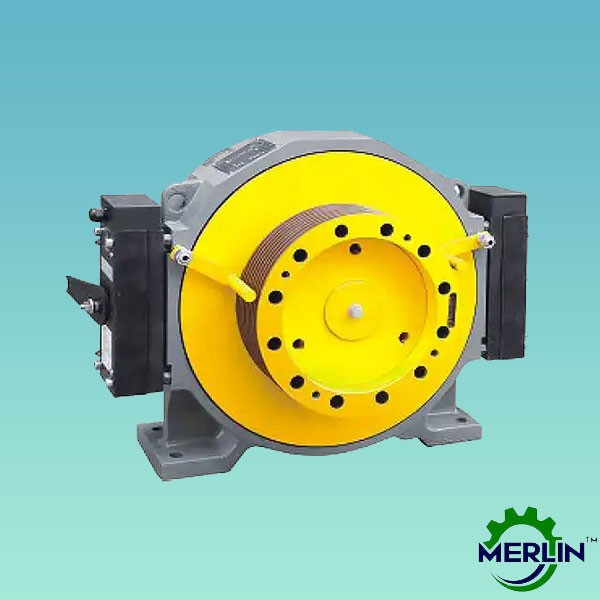
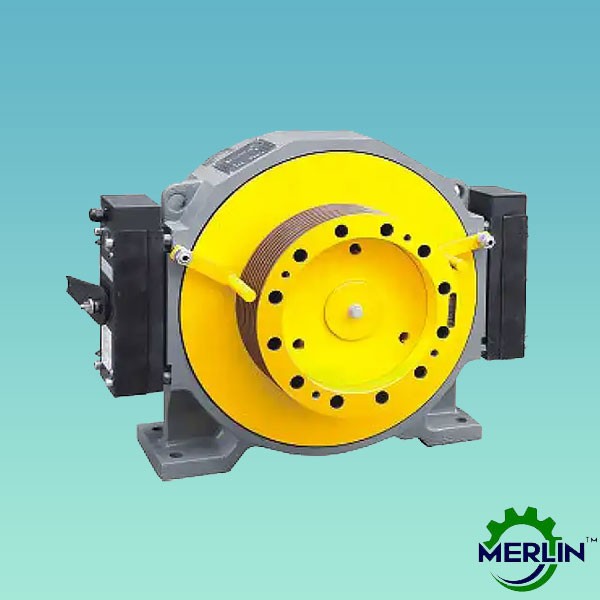

Elevator Traction Machine Price in Bangladesh | Energy Efficient & Silent
In Bangladesh's rapidly urbanizing landscape, where skyscrapers and modern buildings are defining the skyline, the importance of efficient vertical transportation cannot be overstated. Elevators are no longer mere conveniences; they are critical components of daily life in residential complexes, bustling commercial hubs, state-of-the-art hospitals, and expansive shopping malls. At the heart of every reliable elevator system lies the Traction Machine, the sophisticated Drive system responsible for controlling the lift's movement, speed, and ensuring paramount safety. For developers, contractors, and building owners across Bangladesh, understanding the Elevator Traction Machine Price in Bangladesh, along with the various models, technologies, and reputable brands available, is crucial for making informed, cost-effective, and future-proof decisions. This comprehensive guide aims to demystify the pricing of these vital components, delve into the advancements in Gearless Elevator Traction Machine technology, and highlight the benefits of energy efficiency and silent operation that are increasingly sought after in the market. The Bangladesh Elevator Market is substantial, valued at approximately Tk1,500 crore annually, with projections indicating a Compound Annual Growth Rate (CAGR) of 7.8% from 2025 to 2031, underscoring the significance of making the right investment in elevator technology.
Understanding Elevator Traction Machine Technologies
A gearless traction machine (right) eliminates the gearbox, directly coupling the motor to the sheave. This reduces friction and energy loss compared to a traditional geared system (left), resulting in higher efficiency and quieter operation.

The efficiency, silence, and longevity of an elevator system are fundamentally dictated by its traction machine. In Bangladesh, two primary types of traction machines are prevalent: geared and gearless. While geared machines have served for years, the modern architectural and environmental demands are increasingly favouring Gearless Elevator Traction Machine technology due to its superior performance characteristics.
Gearless Traction Machines: The Pinnacle of Efficiency and Silence
A Gearless Elevator Traction Machine operates by directly coupling the Elevator Motor (often a permanent magnet synchronous motor) to the traction sheave. This direct drive eliminates the need for a gearbox, which is the source of noise, vibration, and energy loss in traditional geared systems.
- How They Achieve Energy Efficiency: The absence of a gearbox means less friction and fewer moving parts, leading to significantly reduced energy consumption. PM synchronous motors, commonly used in these machines, are highly efficient, converting more electrical energy into mechanical motion. This direct coupling and efficient motor design contribute to lower operational costs over the lifespan of the elevator, a critical factor for building owners looking at long-term value. The overall Drive system is optimized for energy conservation.
- How They Achieve Silent Operation: The mechanical complexity of a gearbox is a major contributor to operational noise. By removing it, Gearless traction machine designs achieve remarkably quiet performance. The smooth rotation of the PM synchronous motor and the precise engineering of components like the traction sheave minimize vibrations and audible noise. This enhanced silence is a significant benefit for passenger elevator applications, improving the comfort of occupants in residential buildings and enhancing the productivity in office environments.
Key Components and Their Impact:
- Elevator Motor / LIFT MOTOR: The core power unit. Modern gearless machines predominantly use high-efficiency PM synchronous motors. These motors offer excellent torque, precise speed control, and quiet operation.
- Traction Sheave: This grooved wheel grips the steel ropes, transmitting the motor's rotational force to move the elevator car. The material of the traction sheave is crucial for durability and grip. High-quality machines often feature sheaves made from spheroid cast iron (EN-GJS-700-2 UNI EN 1563), known for its exceptional wear resistance and longevity.
- Integral Body: Many advanced gearless machines feature an integral body design. This construction method integrates the motor, sheave, and brake into a single, compact unit, enhancing rigidity, reducing vibration, and simplifying installation.
- Bearings and Bushings: The traction sheave and worm shaft (if present in certain designs, though typically gearless implies direct drive) are supported by high-quality ball bearings for smooth rotation and axial constraint, and sometimes bronze bushings or specialized special alloy components like centrifuged bronze for specific load-bearing points. The quality of these components directly impacts the machine's lifespan and operational smoothness.
- Control System: The sophistication of the Control system plays a vital role in optimizing the performance of the Gearless traction machine, ensuring smooth acceleration and deceleration, precise leveling, and energy management.
- Ancillary Components: Essential connections like the Encoder Wire and Three-phase Wire ensure proper communication and power supply. The Sheave Diameter is engineered to match the Steel Rope specifications for optimal traction and reduced rope wear. A Break Releaser is a critical safety feature integrated into the system.
- Older/Simpler Designs: While modern gearless machines minimize traditional gearbox components, older or simpler systems might still feature elements like a worm shaft and worm wheel, often made with durable materials. Some systems might include a hand wheel for manual operation in emergencies. Connection fittings are generic terms for how various parts are assembled.
Geared Traction Machines: A Traditional Approach
Geared traction machines utilize a gearbox to reduce the motor's high speed to a slower speed suitable for the elevator car. While they can be more cost-effective initially, they are generally less energy-efficient, noisier, and require more maintenance than their gearless counterparts due to the gearbox's wear and tear.
Comparison with Hydraulic Elevators:
Hydraulic elevators, common in low-rise buildings or for specific applications like goods lifts, use a hydraulic system to lift the car. While they can offer a lower upfront cost and are often used for heavier loads, they are typically slower, less energy-efficient, and not suitable for high-rise buildings. Traction elevators, powered by traction machines, are the standard for mid-to-high-rise buildings due to their speed, efficiency, and scalability.
Factors Influencing Elevator Traction Machine Price in Bangladesh
The Elevator Traction Machine Price in Bangladesh is a multifaceted equation, influenced by a range of technical specifications, brand reputation, and market dynamics. Understanding these factors is key to making an informed purchase that balances initial cost with long-term value.
- Technology Type: The most significant differentiator is the technology. Gearless Elevator Traction Machine units, especially those employing advanced PM synchronous motor technology, command a higher price than their geared counterparts. This premium is justified by their superior energy efficiency, reduced noise, and longer lifespan.
- Brand and Manufacturer Reputation: Globally recognized brands like Torin Elevator Motor (with series such as the GTW Series) or established manufacturers like J.D. Engineering Works (known for its robust construction, including a durable Cast Iron Body) often come with a higher price tag. This reflects their proven reliability, quality control, and commitment to innovation. Local distributors and installers also play a role; companies like Vertex Lifts Ltd. and AEP Corporation BD LTD are key players in the Bangladesh Elevator Market.
- Loading Capacity (Rated Capacity): The weight an elevator can safely carry, known as Loading capacity or Rated capacity, directly impacts the size and power of the traction machine required. Machines designed for higher loads (e.g., 630kg, 800kg, 1000kg, 1350kg, 1600kg) are inherently more robust and complex, thus more expensive.
- Speed: Elevator speed is a critical performance metric. Higher operating speeds (e.g., 1.0 m/s to 2.5 m/s or more) require more powerful and precisely engineered traction machines to ensure safety and comfort. This generally translates to a higher price point.
- Energy Efficiency Ratings: Machines with higher energy efficiency ratings, especially those meeting international standards, often use more advanced motor technologies and materials, leading to a potentially higher initial cost. However, this investment is recouped through lower electricity bills over time.
- Noise Reduction Features: While gearless technology is inherently quiet, additional noise-dampening features, advanced motor insulation, and precision balancing in the integral body can further reduce sound levels. These premium features can add to the overall cost.
- Build Quality and Materials: The durability of the traction sheave, worm shaft, worm wheel, ball bearings, and bronze bushings significantly impacts the machine's lifespan and reliability. High-grade materials like spheroid cast iron (EN-GJS-700-2 UNI EN 1563), special alloy components, and centrifuged bronze are more expensive but offer superior wear resistance and operational smoothness. The choice of a solid Cast Iron Body also contributes to robustness.
- Durability and Warranty: Manufacturers offering longer warranties (e.g., a 5-year warranty for the Elevator Motor or 3 years for an Encoder Wire) often price their products accordingly, reflecting their confidence in the product's longevity.
- Country of Origin and Import Costs: For imported traction machines, factors such as import duties, shipping costs, and currency exchange rates within Bangladesh significantly influence the final price.
- Machine Room Requirements: The trend towards Machine Roomless (MRL) elevators, enabled by compact gearless traction machines, can influence overall building costs, but the traction machine itself might be priced differently based on its integrated design. The required Machine room size (or lack thereof) is a key architectural and cost consideration.
- Additional Features and Technical Components: The integration of advanced safety features like an Overload Device, sophisticated Control system capabilities, LCD Colorful Display on panels, Intercom Set, Voice Announcer, and precise control interfaces like the Car Operation Panel and Landing Operation Panel add to the value and complexity, thus affecting the price. Even components like the Break Releaser and the quality of Steel Rope compatible with the Sheave Diameter are factored in.
- Installation and After-Sales Service: The price of the traction machine often forms part of a larger elevator package. Installation expertise and comprehensive after-sales support from a reputable Lift Company are crucial and can influence the total project cost.
Performance Metrics and Technical Specifications with Price Relevance
The performance of an elevator system, directly tied to its traction machine, is measured by several key metrics. These specifications not only dictate functionality but also have a direct impact on the Elevator Traction Machine Price. Understanding these allows buyers to match the machine's capabilities to their specific building needs.
- Loading Capacity and Rated Capacity: As mentioned, the Loading capacity or Rated capacity of the elevator dictates the required torque and robustness of the Traction Machine. A machine designed for a higher Rated capacity, such as those found in commercial buildings handling significant foot traffic, will naturally be more powerful and consequently more expensive than a machine for a smaller passenger elevator or a home lift.
- Speed: The operational speed of the elevator, typically measured in meters per second (m/s), is a significant price driver. Higher speeds (e.g., 1.75 m/s and above) demand more advanced motor technology and a more sophisticated Drive system to ensure smooth acceleration, deceleration, and precise stopping. The JDE 24P 6 Series, JDE 24P 8 Series, JDE 24P 10 Series, JDE 24P 13 Series, and JDE 24P 15 Series often denote different speed and capacity ratings from manufacturers, with higher numbers typically indicating greater capacity and speed, thus higher cost.
- Building Height and Travel Distance: The total travel distance an elevator covers within a building (determined by the building height) influences the type and power of the Traction Machine required. Taller buildings demand machines that can handle longer runs and more frequent operation cycles.
- Traction Sheave Diameter: The Sheave Diameter is engineered to work in conjunction with specific Steel Rope diameters and types. An appropriately sized sheave ensures optimal grip, minimizes rope wear, and contributes to the overall efficiency and longevity of the system. Larger diameters might be required for higher capacities or specific speed profiles, impacting the machine's design and cost.
- Power Requirements: Modern elevators, especially those with efficient Gearless traction machine designs, typically operate on Three-phase Wire power supplies. The power rating of the Elevator Motor and its compatibility with the building's electrical infrastructure are crucial considerations that influence the choice and price of the machine.
- Safety Features: Integrated safety features are non-negotiable. The Control system plays a pivotal role in managing these. Components such as the Break Releaser, Overload Device (which prevents the elevator from operating if the load limit is exceeded), and the reliability of the Control system itself are critical. While safety is paramount, advanced or redundant safety mechanisms can contribute to the overall cost of the Technical Lift Component.
- Machine Roomless (MRL) vs. Machine Room: The adoption of Machine roomless designs, facilitated by compact gearless machines, significantly impacts building design and cost. While the Machine room size is minimized or eliminated, the Gearless traction machine itself must be designed for this compact integration, which can affect its specific pricing.
How to Choosing the Right Elevator Traction Machine: A Buyer's Guide
Selecting the appropriate Elevator Traction Machine for your building in Bangladesh requires careful consideration of several factors to ensure optimal performance, safety, and value for money. It’s about finding the perfect blend of technology, capacity, and reliability tailored to your specific needs.
- Define Your Requirements: Before approaching any supplier, clearly define your elevator's intended use: Is it a passenger elevator, a home lift, a goods lift, or a panoramic lift? What is the required Loading capacity and desired speed? Consider the building height and estimated daily traffic to determine the necessary performance.
- Prioritize Efficiency and Silence: Given the increasing emphasis on sustainable building practices and occupant comfort, prioritize energy efficient and silent operation. Gearless Elevator Traction Machine technology, particularly with PM synchronous motors, is the benchmark for these attributes. This leads to lower running costs and a better user experience.
- Understand the Technology and Components: Familiarize yourself with the core components. For instance, inquire about the traction sheave material (e.g., spheroid cast iron, EN-GJS-700-2 UNI EN 1563), the type of Elevator Motor used (preferably PM synchronous), and the construction of the integral body. The presence of high-quality ball bearings and bronze bushings indicates durability. Even simpler elements like connection fittings should be robust. While hand wheel or separate worm shaft / worm wheel might be present in older designs, modern gearless units are integrated and streamlined.
- Research Brands and Manufacturers: Look for established brands with a proven track record in Bangladesh, such as Torin Elevator Motor, or manufacturers like J.D. Engineering Works. Reputable companies often provide better warranties and after-sales support. Companies like Vertex Lifts Ltd. and AEP Corporation BD LTD are key local partners to consider.
- Consider the Total Cost of Ownership: Factor in not just the initial Elevator Traction Machine Price but also installation costs, energy consumption over its lifespan, and projected maintenance expenses. An energy-efficient machine might cost more upfront but will save money in the long run.
- Ensure Professional Installation and Maintenance: The best Traction Machine can be compromised by poor installation. Ensure that the Lift Company you choose has certified technicians who are experienced with the specific type of machine you select. Regular maintenance by qualified professionals is essential for longevity and safety.
Frequently Asked Questions (FAQs) About Elevator Traction Machines
1. What is an elevator traction machine?
An elevator traction machine is the main drive unit that moves the elevator car up and down using steel ropes and a counterweight. It controls speed, load capacity, and ride comfort.
2. What is the elevator traction machine price in Bangladesh?
The elevator traction machine price in Bangladesh typically ranges from BDT 80,000 to BDT 800,000, depending on capacity, speed, brand, and whether the machine is geared or gearless.
3. What is the difference between geared and gearless traction machines?
A geared traction machine uses a gearbox and is suitable for low- to mid-rise buildings. A gearless traction machine connects the motor directly to the sheave, offering quieter operation, higher efficiency, and lower maintenance.
4. Which traction machine is best for high-rise buildings?
Gearless traction machines are best for high-rise buildings because they support higher speeds, smoother rides, and lower energy consumption over time.
5. How long does an elevator traction motor last?
A high-quality elevator traction motor can last 20–25 years with proper maintenance, regular inspection, and genuine spare parts.
6. Can I buy an elevator traction machine online in Bangladesh?
Yes, you can buy an elevator traction machine online in Bangladesh from authorized suppliers who provide original products, warranty support, and professional installation services.
7. What factors affect elevator traction motor prices?
Key factors include load capacity (KG), speed (m/s), motor type (geared or gearless), brand reputation, energy efficiency, and spare parts availability in Bangladesh.
8. Is a gearless traction machine energy efficient?
Yes, gearless traction machines consume less electricity, generate less heat, and reduce long-term operating costs compared to geared machines.
9. What maintenance does an elevator traction machine require?
Routine maintenance includes brake inspection, rope checking, lubrication (for geared machines), and controller diagnostics to ensure safe and smooth operation.
10. Why should I buy an original elevator traction machine?
Buying an original elevator traction machine ensures better safety, longer lifespan, reliable performance, manufacturer warranty, and compliance with international elevator standards.